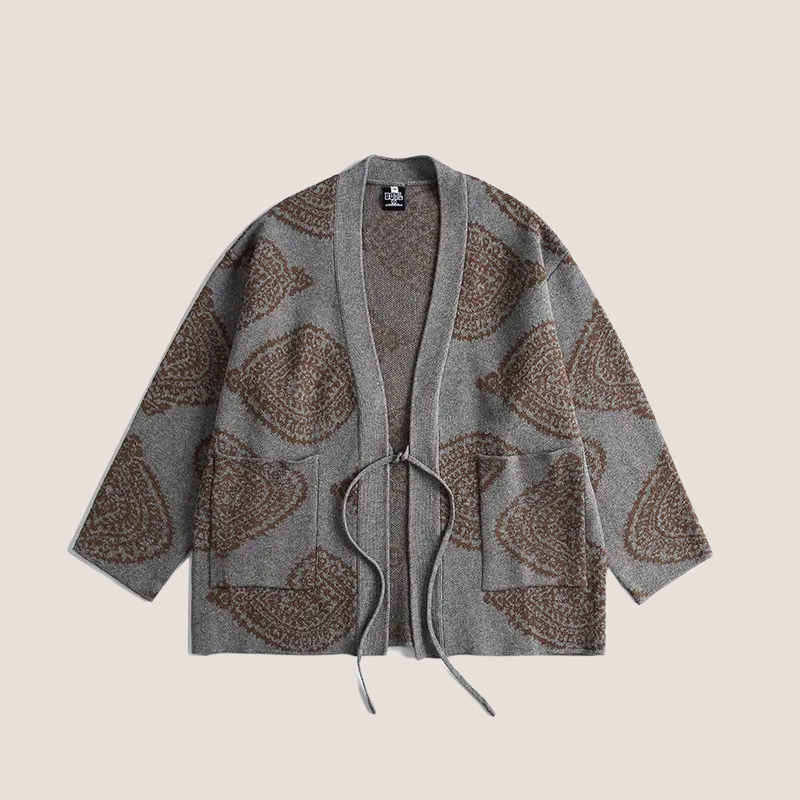


The kimono, a traditional Japanese garment par excellence, has spanned centuries without losing any of its splendor. Worn during ceremonies, festivals, or simply as a tribute to Japanese culture, it fascinates with its refinement and symbolism.
Key takeaways:
-
The kimono is Japan's iconic traditional attire, rich in cultural meanings.
-
There are several variations: kimono, yukata, hakama, haori, depending on the seasons and uses.
-
The patterns, colors, and accessories like the obi or geta each tell a story.
-
Even today, these garments are worn during ceremonies and events, but also reinterpreted in contemporary fashion.
The Kimono: A Living Symbol of Japanese Tradition
Traditional Japanese attire is a cornerstone of Japanese culture, rich in history and symbolism. The kimono, considered the national costume, embodies this tradition with elegance. If you're asking yourself "which country has a kimono as its traditional attire?", the answer is obviously: Japan.
Worn for centuries, the kimono is much more than just clothing: it represents Japanese identity and values. This refined garment, for both men and women, is distinguished by its meticulous patterns, complex wearing style, and accessories such as the obi belt and geta sandals.
Evolving over centuries, kimonos, including yukatas, are worn during special ceremonies, weddings, or strolls under cherry blossoms. Each piece tells a story, reflecting the refinement of Japanese fashion.
In this article, discover the origins, styles, and cultural meanings of traditional Japanese garments, as well as tips for incorporating them into your daily style.
1. Origins and Evolution of Traditional Japanese Attire
1.1 The Kimono Through the Ages
The kimono, an emblematic icon of Japanese fashion, has a rich and fascinating history spanning over 1,000 years. Introduced to Japan under the influence of China's Tang dynasty in the 7th century, it was initially known as "kosode," meaning "small sleeves" in Japanese.
Originally, the kosode was used as an undergarment, worn beneath a long jacket, trousers, or a skirt. However, over time, and particularly during the Heian period (794-1185), it evolved to become an outer garment suitable for all seasons. Its design then became refined and more elaborate.
The Edo period (1603-1868) marked a major turning point in the history of the kimono. It was during this era that the term "kimono" replaced "kosode," and this garment became an emblematic traditional attire. Worn by everyone, regardless of age, gender, or social status, the kimono also became a symbol of social status, allowing individuals to display their wealth and good taste.
1.2 Transformation of Materials and Techniques
Over the centuries, the materials and techniques used to make kimonos have evolved considerably. Initially made of silk, kimonos saw the emergence of new fabrics such as cotton and wool, making these garments more accessible to different social classes.
Dyeing, embroidery, and weaving techniques also improved, creating a wide variety of patterns and styles. The making of a traditional kimono, however, remains a complex and costly process, requiring artisanal expertise. This explains why kimonos are now mainly reserved for special occasions or favored by passionate collectors.
1.3 External Influences
The kimono did not evolve in a vacuum. Throughout its history, it has been influenced by various external factors. Chinese influence, particularly significant during the Nara and Heian periods, profoundly impacted the design and materials used.
Later, cultural exchanges with other countries introduced new ideas and techniques, enriching kimono styles. Furthermore, during the Edo period, sumptuary laws were enacted to regulate clothing expenses and impose strict dress codes according to seasons and events. These regulations influenced the design and wearing of kimonos, reinforcing their role in Japanese social hierarchy.

2. Deciphering the Main Styles of Traditional Japanese Attire
2.1 Kimono and Yukata: Beauty and Functionality
The kimono and yukata are among the most emblematic pieces of traditional Japanese fashion, each with its specific characteristics and uses. The kimono, with its complex structure and multiple layers, is a formal garment that can be worn throughout the year.
Often made of silk, cotton, or linen, the kimono features patterns rich in deep cultural meanings. Its formality varies depending on the occasion, ranging from very formal kimonos for wedding or tea ceremonies to more casual versions for everyday events.
In contrast, the yukata is a simpler and lighter version of the kimono, specially designed for the summer months. Made of cotton or linen, it is an unlined garment, perfect for informal events like summer festivals and fireworks. Yukata patterns are often colorful and vibrant, inspired by natural elements and cultural concepts.
2.2 Hakama and Haori: Formal Attire
In addition to the kimono, other traditional Japanese garments play a key role in formal attire. The hakama, for instance, is a wide, pleated skirt-trousers worn by both men and women. Often associated with formal kimonos, the hakama is particularly popular at wedding ceremonies and traditional events.
The hakama adds a touch of dignity and formality to the outfit, and its wear is generally reserved for grand occasions.
The haori, on the other hand, is a lightweight jacket worn over a kimono to add warmth and style. Ideal for cold months, the haori is often used during ceremonies and formal events. There is a wide variety of haoris, ranging from simple models to more elaborate versions, adorned with embroidery and complex patterns.
2.3 Essential Accessories: Obi, Tabi, and More
Accessories play an important role in the elegance of traditional Japanese attire. The obi, or belt, is probably the most emblematic accessory. There are different types of obi, each suited to a specific occasion and type of kimono.
The tying of the obi varies, from a simple knot for yukata to more sophisticated knots for formal kimonos.
Tabi, split-toe socks, are also indispensable. They are worn with formal kimonos and zori sandals, ensuring comfort and elegance. Geta, wooden sandals, are often associated with yukata and are a light and practical alternative for informal events.
Finally, the nagajuban, or under-kimono, is a garment worn under the kimono to protect it from stains and tears. This element is particularly important for silk kimonos, which are delicate and expensive to clean. The nagajuban adds a touch of practicality and extends the durability of traditional attire.

3. Symbols and Cultural Meanings of Traditional Japanese Attire
3.1 Symbolism of Patterns and Colors
The patterns and colors of traditional Japanese attire, particularly kimonos, carry deep and varied meanings. Colors play an essential role in conveying cultural messages. For example, red, associated with energy, passion, and love, is often worn by brides and geishas, symbolizing prosperity and good omen.
White, representing purity and innocence, is used at funerals and weddings, while black, a symbol of formality and sophistication, is reserved for solemn occasions. Blue, associated with calm and serenity, is frequently worn during the summer season, while green, representing growth and vitality, is favored in spring.
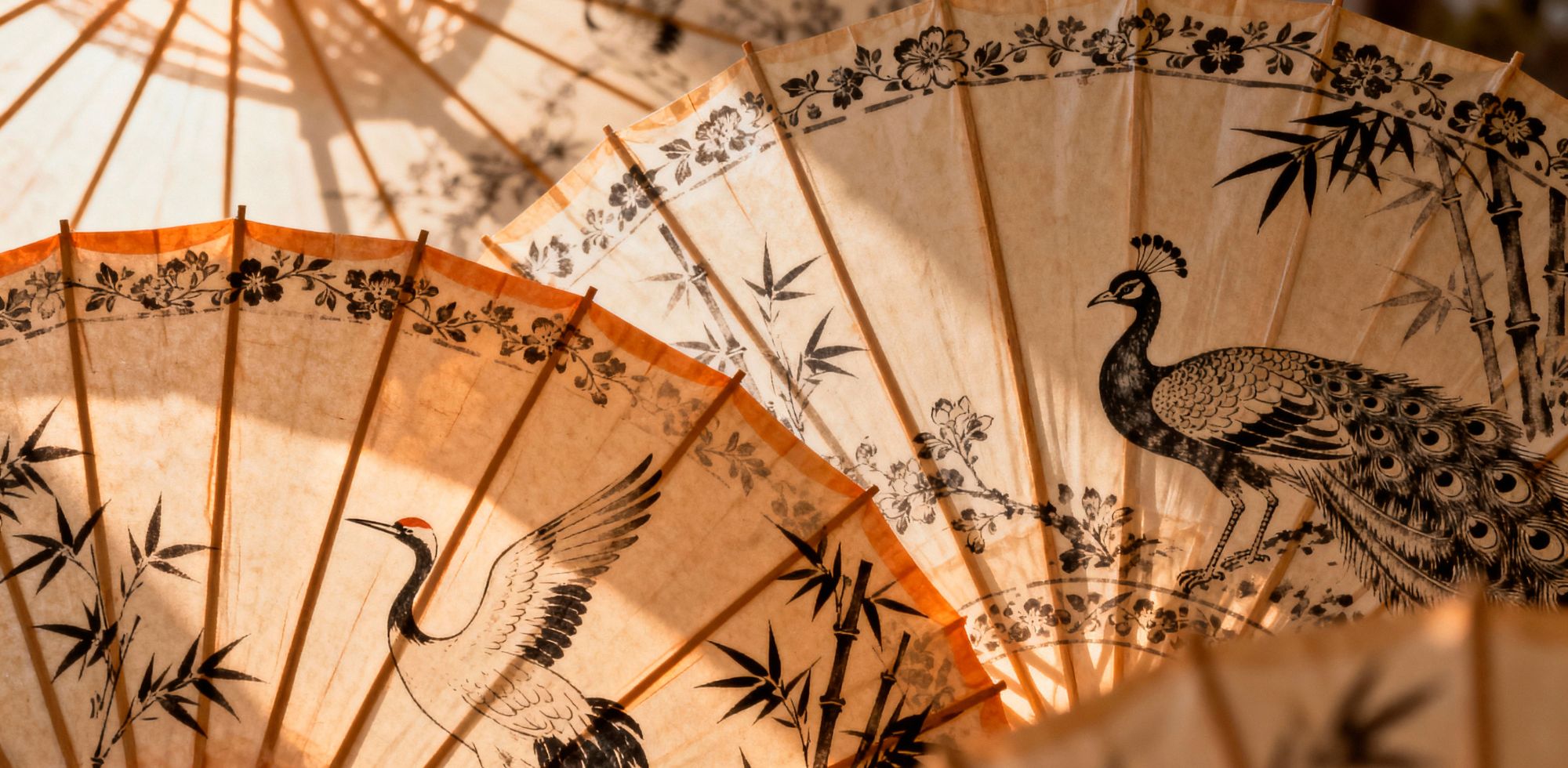
Kimono patterns are equally rich in symbolism. Cherry blossoms, for example, evoke the beauty and fragility of life, while waves embody the power and strength of nature. Dragons, symbols of power and luck, are often present at festivities and ceremonies, while butterflies, representing transformation and beauty, frequently adorn wedding kimonos and outfits marking the transition to adulthood.
3.2 The Role of Traditional Attire in Ceremonies and Festivals
Traditional Japanese attire occupies a central place in the country's ceremonies and festivals. The kimono, in particular, is an essential item at these events. During weddings, kimonos are carefully chosen to reflect the status and personality of the bride and groom.
Brides often wear white and red kimonos, symbolizing purity and prosperity, respectively.
During tea ceremonies, formal kimonos are preferred to add a touch of dignity and respect to the event. During summer festivals, such as fireworks festivals, people opt for yukatas, lighter and more colorful versions of kimonos, suitable for the summer heat.
These traditional garments reinforce the sense of community and cultural continuity during these events.
3.3 Modern Perception and Usage
In contemporary society, traditional Japanese attire retains its charm and importance, although its use has evolved. Kimonos and yukatas are often worn on special occasions, while also being integrated into modern fashion in a more flexible way.
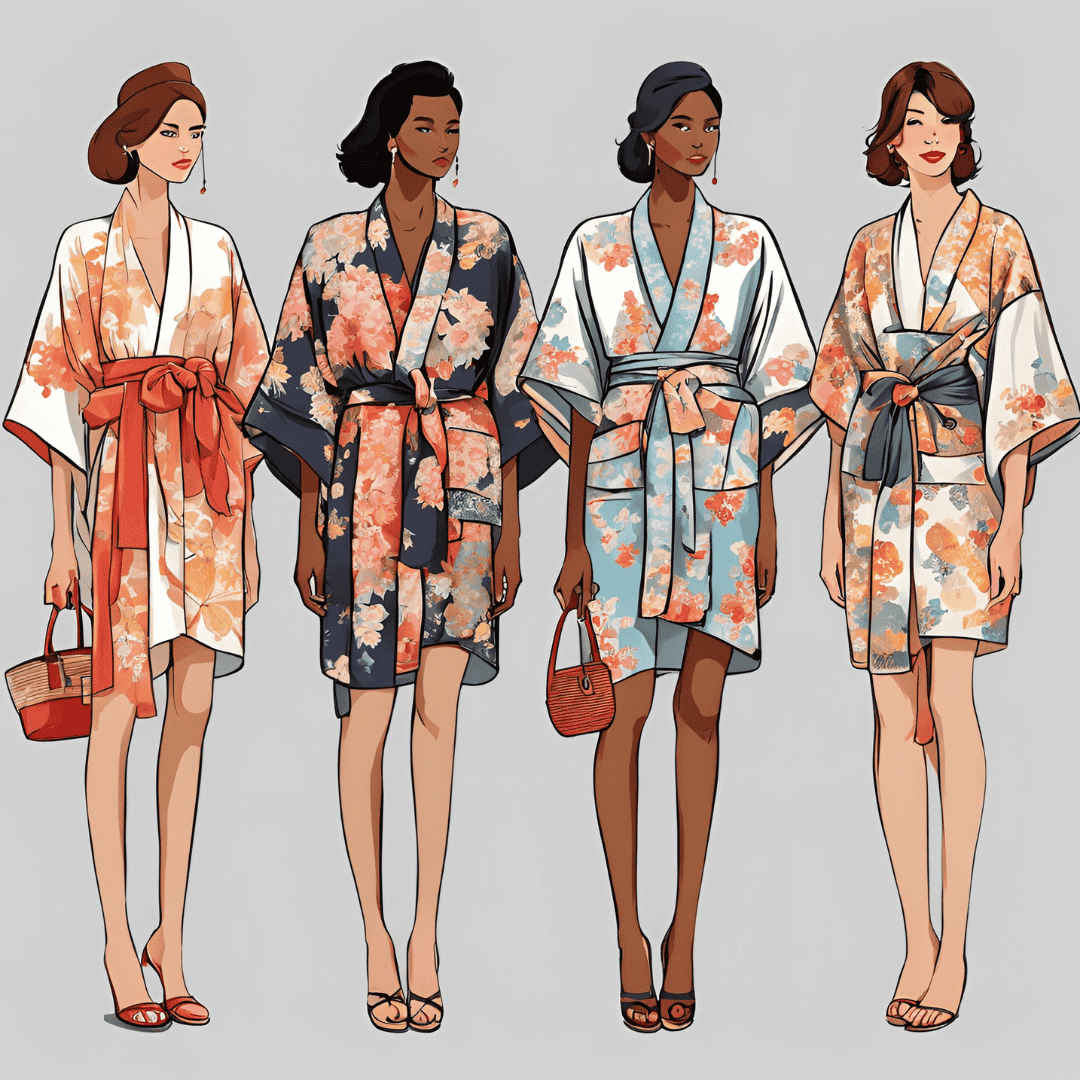
Contemporary designers incorporate traditional elements into innovative creations, making these garments accessible to a wider audience.
Moreover, the growing global interest in Japanese culture has fostered a renewed appreciation for traditional attire. Today, kimonos and yukatas are worn not only by Japanese people but also by individuals from diverse cultures, as a way to celebrate the beauty and richness of Japanese tradition.
This evolution reflects a more universal and inclusive perception of these garments, transcending their original cultural context to become global symbols of beauty and tradition.